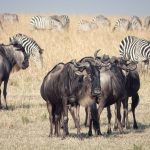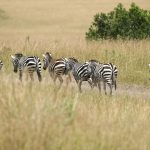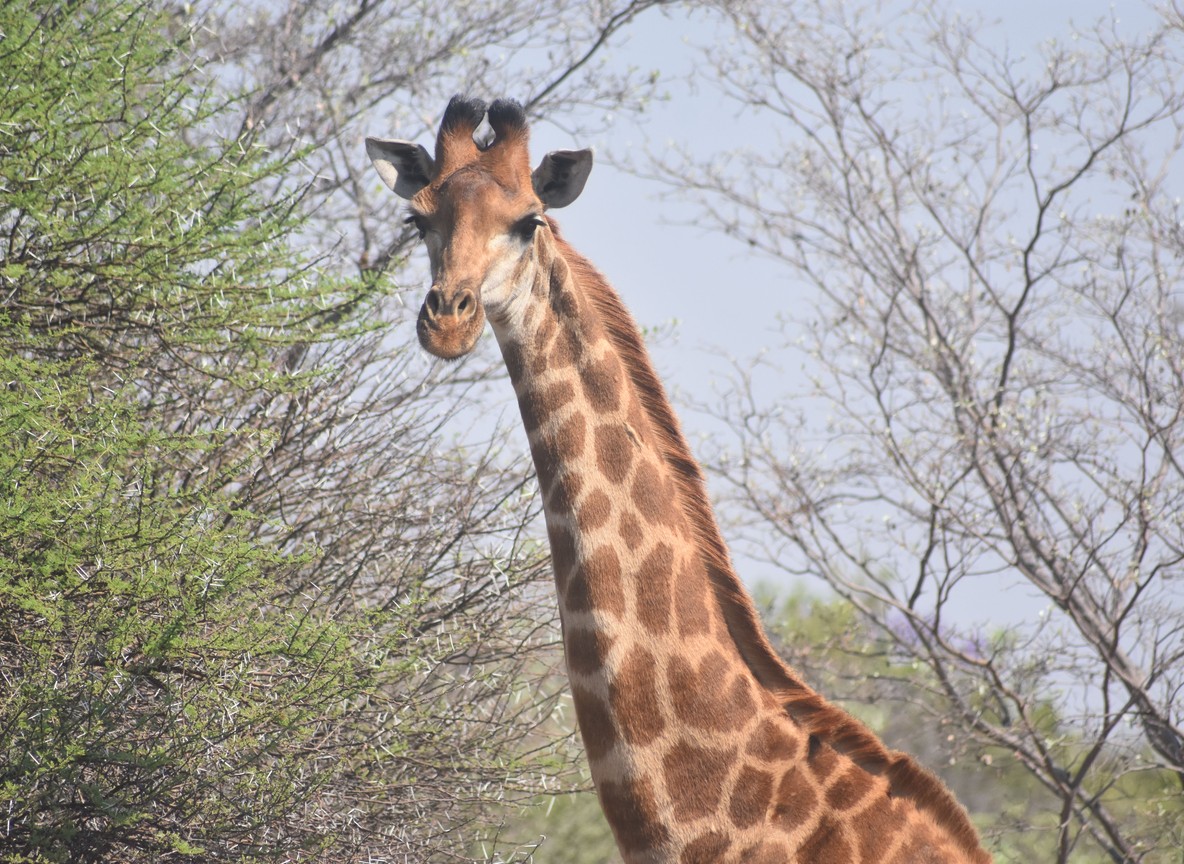
Travel press including AFAR has spent the last few years pointing readers north of the Maasai Mara, toward Kenya’s conservancy belt and dry-country reserves. The pitch is simple. Fewer vehicles, wildlife you cannot see in the Mara, and land run by conservation trusts rather than county reserves. Touring Insights built this guide to lay out exactly what that shift looks like on the ground, with real fees, drive times, and camps you can check for yourself.
The Maasai Mara earns its reputation. It is not going anywhere, and this is not an argument against visiting. But if you have already done a Mara safari, or want to build a second Kenya trip around different terrain, four regions come up again and again: Laikipia, Samburu, Meru, and Ol Pejeta Conservancy.
Why Travelers Are Looking Past the Maasai Mara
The Maasai Mara National Reserve covers about 1,510 km2 and draws the highest vehicle density of any Kenyan park during peak migration months, July through October. Sightings can mean ten or more vehicles at one leopard or lion. That crowding is the exact problem the northern conservancies were built to solve.
Laikipia’s private conservancies cap vehicle numbers per sighting, often at three or four, and most run night drives and walking safaris that the Mara reserve does not allow. Samburu and Meru see a fraction of the Mara’s visitor numbers year-round, which means longer, quieter game viewing per stop.
Laikipia Plateau: Conservancies Built Around Rhino and Wild Dog
Laikipia sits north of Mount Kenya and covers roughly 9,500 km2 of private and community conservancy land, more than six times the size of the Maasai Mara reserve. It is not one park but a patchwork of ranches turned conservancies, each with its own camps and rules.
Ol Pejeta Conservancy, Lewa Wildlife Conservancy, and Loisaba Conservancy are the three most visited blocks. Laikipia holds Kenya’s largest population of Grevy’s zebra, an endangered species you will not find in the Mara, plus strong numbers of African wild dog and both black and white rhino. Camps worth checking include Sosian Lodge, Borana Lodge, and the community-owned Il Ngwesi Lodge, which channels bed-night fees directly to the Maasai and Samburu communities that own the land.
Samburu National Reserve: Dry-Country Wildlife You Won’t See in the Mara
Samburu National Reserve covers about 165 km2 along the Ewaso Nyiro River, small next to the Mara but dense with wildlife adapted to semi-arid country. It sits beside Buffalo Springs National Reserve, 131 km2, and the two are often visited together on a single park fee arrangement.
Samburu is the place to see the “Samburu Special Five”: Grevy’s zebra, reticulated giraffe, Somali ostrich, gerenuk, and Beisa oryx, none of which are common Mara sightings. Elephant herds gather at the river in the dry season, and lion and leopard densities stay high despite the smaller park size. Elephant Bedroom Camp and Saruni Samburu both sit on or near the riverbank with river frontage views from the tents.
Meru National Park: George Adamson Country and Room to Roam
Meru National Park covers about 870 km2 and gets a fraction of the visitors that Samburu or the Mara see in a given month, despite a Big Five species list and the backdrop that inspired George Adamson’s lion conservation work and the book “Born Free.” Fifteen rivers cross the park, feeding doum palm groves and dense riverine forest unlike anything in the Mara’s open grassland.
Meru’s rhino sanctuary, a fenced 84 km2 block inside the park, holds both black and white rhino under close protection. Elsa’s Kopje, built into a rocky kopje with views over the plains, is the best-known camp inside the park boundary. Because visitor numbers stay low, game drives here often mean having a sighting entirely to yourselves.
Ol Pejeta Conservancy: The Last Northern White Rhinos
Ol Pejeta Conservancy covers 364 km2 within Laikipia and deserves its own mention because it holds Africa’s largest black rhino sanctuary and the last two northern white rhinos on Earth, both female, kept under armed guard. It is also one of the only places in Kenya to see chimpanzees, housed at a dedicated sanctuary for animals rescued from the illegal pet and bushmeat trade in Central and West Africa.
Ol Pejeta sits about three hours by road from Nairobi, close enough for a day visit if you are staying in Nanyuki, though an overnight stay at a camp like Kicheche Laikipia gets you a night game drive, which the conservancy allows and the Mara reserve does not.
How the Regions Compare: Fees, Distances, and Size
| Destination | Park/conservancy size | Entry or conservancy fee (indicative) | Distance from Nairobi | Flight time from Wilson Airport | Signature wildlife |
|---|---|---|---|---|---|
| Maasai Mara National Reserve | 1,510 km2 | $80/person/day, high season | approx. 270 km, 5-6 hr drive | 45 min to Ol Kiombo/Keekorok | Big cats, wildebeest migration |
| Laikipia (Ol Pejeta) | 364 km2 | $90/person/day (conservancy fee) | approx. 220 km, 3-3.5 hr drive | 40 min to Nanyuki airstrip | Black and white rhino, chimpanzee sanctuary |
| Laikipia (Lewa Wildlife Conservancy) | 250 km2 | $100/person/day (conservancy fee) | approx. 250 km, 4 hr drive | 45 min to Lewa Downs airstrip | Grevy’s zebra, rhino, wild dog |
| Samburu National Reserve | 165 km2 | $70/person/day, high season | approx. 325 km, 5-6 hr drive | 1 hr to Samburu/Kalama airstrip | Samburu Special Five, elephant |
| Meru National Park | 870 km2 | $60/person/day, high season | approx. 290 km, 4.5-5 hr drive | 50 min to Kinna or Elsa’s airstrip | Rhino sanctuary, riverine forest |
Fees above are indicative ranges; KWS and conservancy rates change and always deserve a direct confirmation with your operator at booking, since gate prices and conservancy levies are set separately.
Combining Beyond-the-Mara Parks Into One Itinerary
Laikipia, Samburu, and Meru sit close enough to each other and to Nairobi that a single trip can cover two or three without long transfers. A common route flies Nairobi to Lewa or Ol Pejeta first, drives roughly two hours north to Samburu for two or three nights, then flies back to Nairobi or on to the coast.
Pairing one northern conservancy with a short Mara add-on also works well for a first-time visitor who wants both the migration and the quieter conservancy experience. Ask your operator whether connecting flights run point to point between these airstrips or route back through Wilson Airport each time, since that detail changes your total travel day by two or three hours.
Explorer Notes
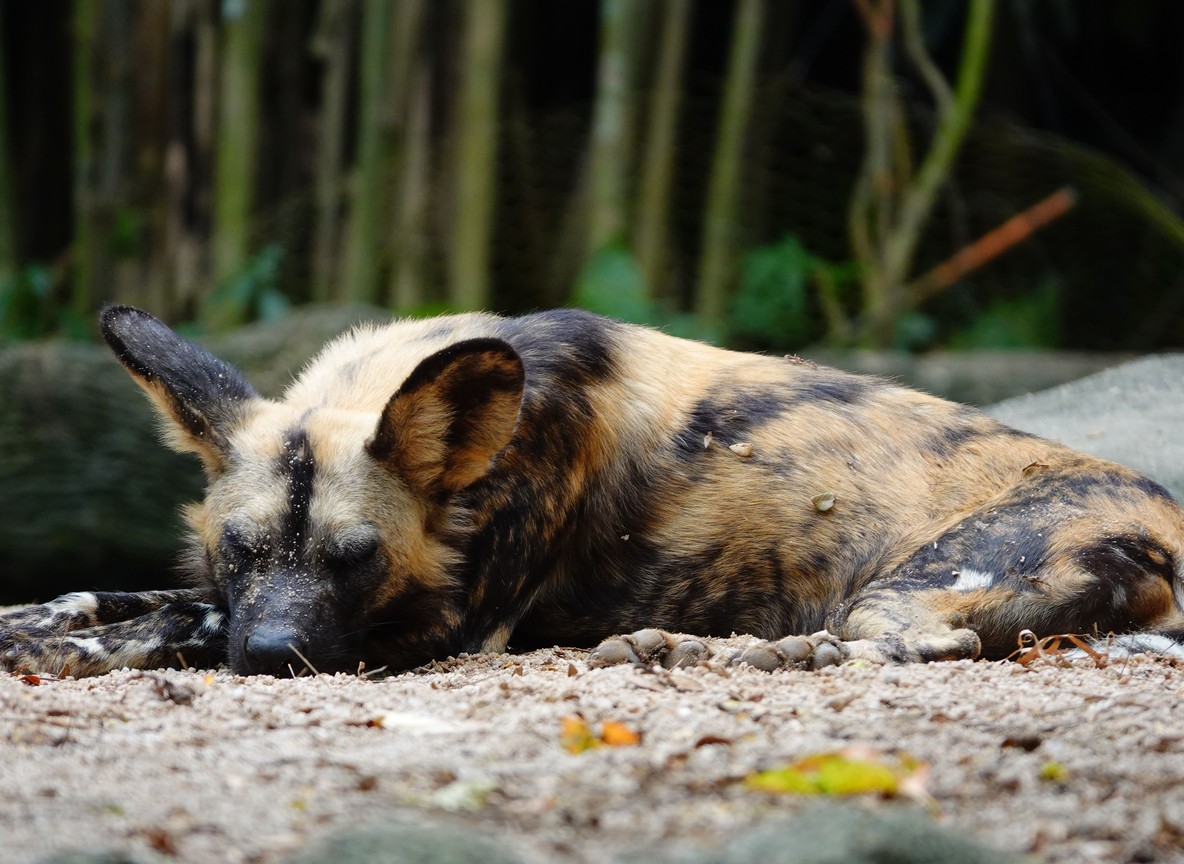
Night drives are the single biggest reason repeat visitors choose Laikipia over the Mara. Aardvark, genet, civet, and striped hyena show up far more often after dark, and conservancy rules allow spotlight drives that national reserves like the Mara do not.
Pack a warmer layer than you think you need for Laikipia and Meru highland camps. Altitude around Nanyuki sits near 1,800 m, and early morning game drives can run close to 10 degrees Celsius before sunrise.
Ask about walking safaris specifically at Lewa, Loisaba, and Borana. Armed rangers lead short walks that give a different read on the bush, tracking prints and dung instead of driving past them, something the Mara’s reserve status does not permit outside licensed conservancy land.
If Grevy’s zebra sightings matter to you, prioritize Samburu or Lewa over any other Kenya park. Fewer than 3,000 remain in the wild, and Laikipia and Samburu together hold most of Kenya’s population.
Frequently Asked Questions
Is Laikipia better than the Maasai Mara for a first safari? Not necessarily better, just different. The Mara offers the highest big cat density and the migration; Laikipia offers rhino, wild dog, night drives, and far fewer vehicles. Many travelers do both across one trip.
How far is Samburu from the Maasai Mara? There is no direct road between them. Most itineraries fly Mara to Nairobi, then Nairobi to Samburu, adding a half day of travel between the two.
Can I see the Big Five in Meru or Samburu? Yes for lion, leopard, buffalo, and elephant in both parks. Rhino sightings are reliable in Meru’s fenced sanctuary and possible but less frequent in open Samburu.
Is Ol Pejeta safe to visit as a day trip from Nanyuki? Yes, Ol Pejeta is commonly visited as a day trip from Nanyuki-area lodges, about a 30 to 45 minute drive to the main gate, though an overnight stay adds a night game drive option.
Do these northern parks cost more than the Maasai Mara? Conservancy fees at Lewa and Ol Pejeta run slightly higher per person per day than Mara reserve entry, largely because that fee funds anti-poaching and community programs directly, not just park upkeep.
Once you know which region fits your trip, our Tour Packages page lists itineraries covering Laikipia, Samburu, and Meru, or raise your specific route with a partner operator directly before booking flights.
What to Read Next
- Comparing conservancy models against reserve land? See our community conservancy vs national reserve safari guide.
- Want the full Samburu breakdown? Read our Samburu, Buffalo Springs, and Shaba comparison guide.
- Planning around Ol Pejeta specifically? Our Ol Pejeta Conservancy rhino sanctuary guide covers logistics in depth.
Further reading
More safari planning resources
- Ol Pejeta and Sweetwaters safari package from Valley Safaris
- Samburu National Reserve guide on Touring Insights
- Big Five safari collection on FindMySafari
- Map of Samburu from Valley Safaris
Related guides: &Beyond Bataleur Camp: Private Concession Safari in the Maasai Mara.